
Cyber insurance providers face increasing challenges in assessing and managing risks in a rapidly evolving digital environment. Traditional approaches rely heavily on static information—such as company size, sector, or security certifications—that fail to capture real-time exposure to network disruptions or underlying infrastructure risks.
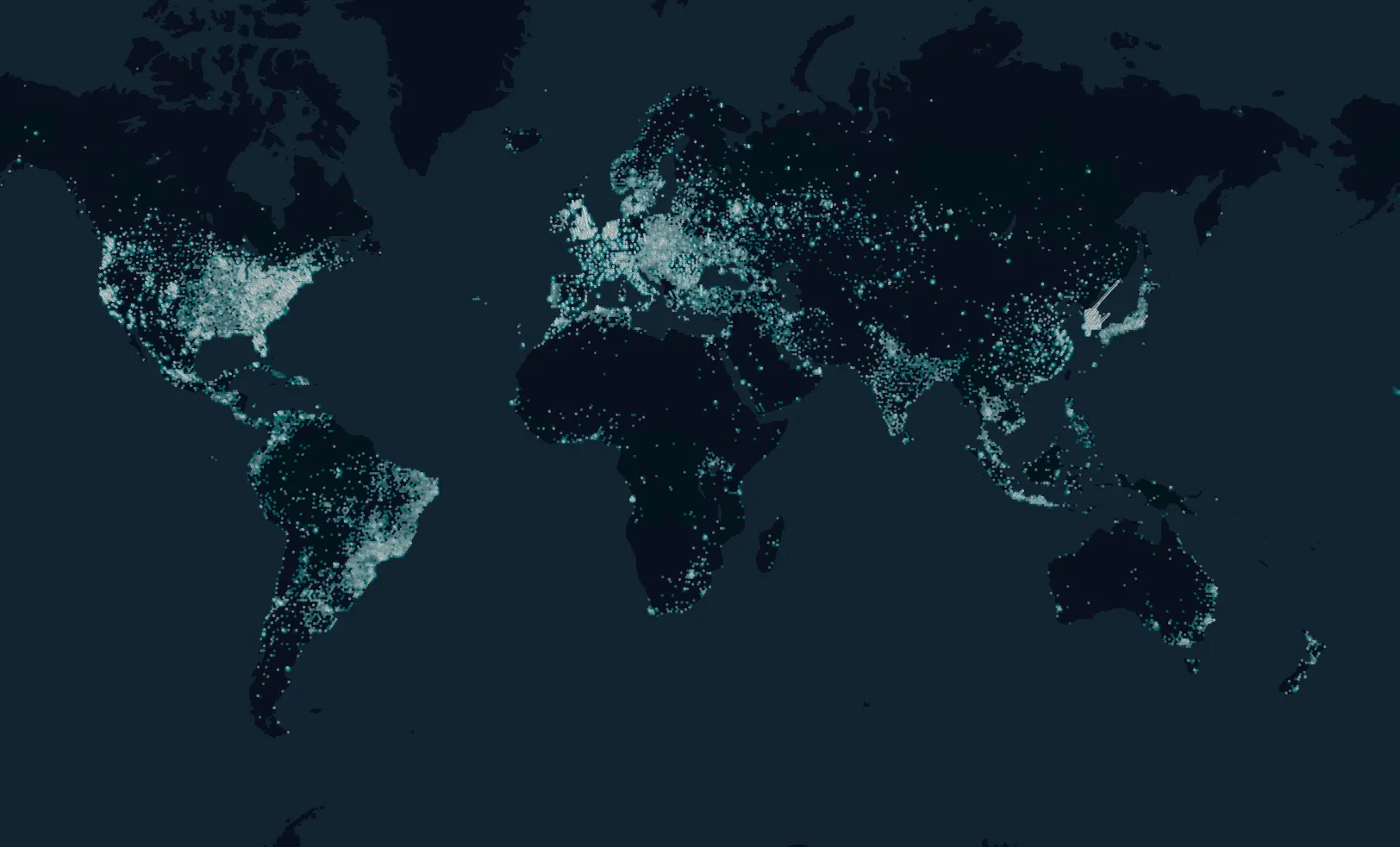
KASPR Datahaus offers continuously updated, high-resolution measurements of global internet connectivity and latency across millions of fixed endpoints. This data enables insurers to complement existing cyber risk models with direct, empirical insights into the quality, resilience, and volatility of network performance.
Enhancing Risk Assessment and Underwriting
KASPR’s data can support underwriting decisions by providing objective indicators of a client’s network environment.
Infrastructure quality and resilience: Persistent latency or packet loss in certain regions or networks may signal outdated infrastructure or poor redundancy, which correlates with higher operational and cyber risk.
Regional risk differentials: Comparing connectivity performance across providers, states, or countries allows insurers to identify clusters of higher exposure to outages or instability.
Behavioral and temporal consistency: KASPR’s consistent measurement over time allows identification of patterns—such as recurring degradation during specific periods—that may be relevant for pricing or exclusions.
Real-Time Risk Monitoring and Claims Validation
Beyond underwriting, KASPR’s continuous monitoring enables insurers to track risk dynamically.
Event detection: KASPR detects internet outages, routing anomalies, or latency spikes in near real time, which can serve as early indicators of distributed denial-of-service (DDoS) attacks or other network-based disruptions.
Exposure mapping: When a cyber incident occurs, insurers can quickly determine whether affected assets were within a network or region showing abnormal performance, aiding in incident validation and triage.
Portfolio-level oversight: Aggregated monitoring across policyholders can highlight systemic events or infrastructure failures that could trigger correlated losses.
Data Integration and Use Cases
KASPR data can be integrated via API or analytics dashboards into insurers’ internal systems or risk assessment workflows. Common applications include:
-
Enhancing actuarial models with real-time network performance variables.
-
Benchmarking clients’ connectivity stability against peers.
-
Supporting post-event assessments through independent, time-stamped data records.
By combining KASPR Datahaus’ real-time internet quality data with insurers’ internal exposure information, cyber insurers can improve the precision of underwriting, the speed of event detection, and the reliability of claims evaluation. This creates a more data-driven approach to managing cyber risk—grounded in continuous observation rather than static assessments.